
"deep roasting"
8000 article(s) found

Coffee bean roasting knowledge coffee deep roasting and shallow roasting
Deep roasting and light roasting is simple, coffee beans are called deep roasting after the second burst, and before the first explosion is dense to the second burst, it is called light roasting to medium-deep roasting, and the color is closer to black with the deeper the roasting. First of all, let's talk about deep roasting. When it comes to deep roasting, be sure to talk about the legendary figure of the coffee industry-Alfred Peet. Mr. Pitt devoted himself to promoting heavy baking in the 1960s
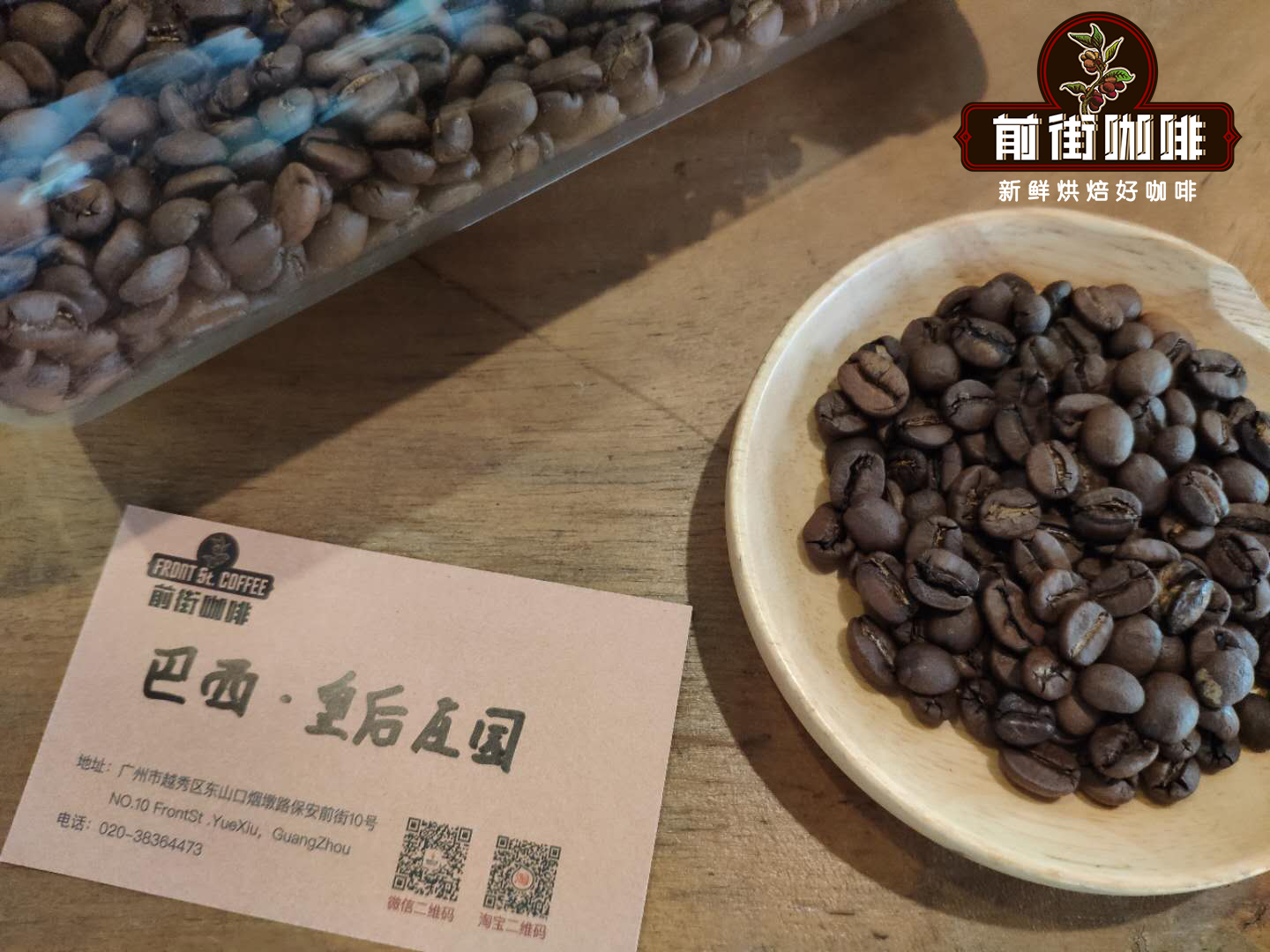
Coffee roasting | the flavor and taste characteristics of deep-roasted coffee beans in freshly ground fine products _ the difference between medium-deep baking and deep-baking.
Zhongshen roasted Taiwanese and Japanese favorite coffee flavor is not bitter, does not count, well-balanced, mellow thickness of coffee beans, and this front street coffee beans in Brazil's Queen's Manor Yellow bourbon coffee beans meet their taste needs. In the process of roasting medium-crimson coffee beans, coffee fiber already has a certain degree of carbon.

Flavor description of moderately roasted and deep-roasted coffee beans
The taste description of medium-roasted and deep-roasted coffee beans the debate between deep-roasted and light-roasted coffee varieties will continue, I think, because the choice of roasting degree of coffee marks the roaster's understanding of the flavor of coffee. Uncle Dou personally believes that deep roasting and light roasting do not need and should not be unified across the board. Roasters' understanding of coffee is originally.

How much does it cost to make coffee beans?
Professional coffee knowledge exchange More coffee bean information Please pay attention to coffee workshop (Weixin Official Accounts cafe_style) Coffee beans should be deep baked or light baked? What is the difference between dark and light roasted coffee beans? There has been a heated debate in the coffee industry over whether a particular coffee should be dark or light roasted, with roasters in favor of light roasting arguing that beans should be light roasted

How to make light coffee without sour coffee? the difference between hand-baked coffee and light-roasted coffee
We usually have a habit of copying a brewing method to each type of coffee beans after making a good type of coffee beans. although it can not be said to be completely wrong, you will also find that different coffee beans are brewed in the same way. the performance of its coffee powder layer is not quite the same. Therefore, we should learn to make measures according to different beans. What is the area of powder layer performance of different coffee beans?

What kind of black coffee suits you? Comparison of the taste of light and deep-roasted hand-brewed coffee
Professional coffee knowledge exchange more coffee bean information please follow the boss of the coffee workshop (Wechat official account cafe_style) I need a cup of deep-roasted coffee because I am very tired and need caffeine! Is there a contradiction in this sentence? Is it true that there is more caffeine in deep baking? Or you.

Coffee roasting degree shallow roasting moderate roasting medium deep roasting
Factors affecting the degree of baking lightly fried beans contain more acid, so they are suitable for areas where alkaline water is used. Lower-grade coffee beans have the characteristics of poor taste, which can be easily revealed by stir-frying. So usually we use deep stir-fry to drive away the bad volatiles in the beans. From the previous discussion, there are many advantages in mixing baked beans.

The difference between light-roasted coffee and deep-roasted coffee how to drink the coffee beans in the right amount?
Vitamins, minerals and antioxidants in deep-roasted coffee can provide important health benefits. For example, riboflavin is an important component of healthy cell growth and development. It helps maintain your blood and helps your body process amino acids into usable forms. Deep-roasted coffee is also pantothenic acid or vitamin B5.
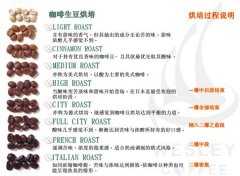
Common sense of roasting coffee beans deep roasting and light roasting of coffee
Deep roasting and light roasting is simple, coffee beans are called deep roasting after the second burst, and before the first explosion is dense to the second burst, it is called light roasting to medium-deep roasting, and the color is closer to black with the deeper the roasting. First of all, let's talk about deep roasting. When it comes to deep roasting, be sure to talk about the legendary figure of the coffee industry-Alfred Peet. Mr. Pitt devoted himself to promoting heavy baking in the 1960s

What are the stages of coffee roasting? Coffee roasting record table
Italian Roast: Degree of baking; very deep baking, also known as Italian Roast. Also known as Italian roast, roast degree before carbonization, burnt taste, mainly popular in Latin countries, suitable for fast coffee and cappuccino. Most of them are used in espresso coffee. French Roast: degree of baking; deep baking, also known as French baking
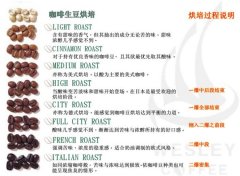
Coffee deep roasting and light roasting
Deep roasting and light roasting is simple, coffee beans are called deep roasting after the second burst, and before the first explosion is dense to the second burst, it is called light roasting to medium-deep roasting, and the color is closer to black with the deeper the roasting.

The concept of Coffee roasting study on roasting Technology of Coffee roasting tendency in various countries
Professional barista exchanges please follow the coffee workshop (Wechat official account cafe_style) Open Classification: coffee technology roasting is the source of coffee flavor, raw beans are called roasting, raw beans can not be drunk without baking, roasted beans have determined 80% of the taste of coffee, the roasting process is very tricky, the fire is too strong, the outer ripe is endogenous, the fire is too weak, then the inner ripe is overcooked.

The significance and differences of different baking degrees the characteristics of shallow baking, medium baking and deep baking
Light roasted coffee is light brown, the surface does not have luster or grease, and the baking time is not long enough to develop more substances. The roasted beans have some smooth and dark lines on the surface and are roasted to the point in the early stage of the explosion. The name comes from the popping sound of coffee beans when baked to about 205 degrees Celsius. When the temperature rises, the beans will expand, and the temperature will also make the beans.
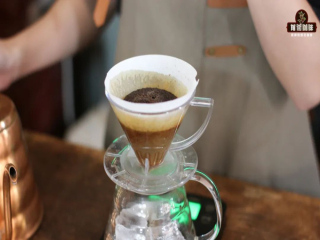
How much ice is added to the brewing method of deep-roasted coffee? how much ice is added to the brewing method of deep-roasted coffee
Most people prefer shallow roasted coffee beans, while few people like to drink deep-roasted coffee made by ice hands. Qianjie got some answers in his communication with several coffee lovers: "Deep-baked iced coffee tastes like iced American coffee, bitter and watery." Indeed, in daily brewing, light roasted coffee is used.

What is the flavor of deep-roasted coffee? what is the flavor of deep-roasted coffee beans? deep-roasted Mantenin Italian mixed beans commercial coffee
Alcohol has been deeply roasted since 1962, when two Nobel laureates, Reichstein and Stottinger, pointed out that uran, mercaptan, and alkylpyrazine. After Diketone is the key point to make coffee aroma, in fact, scientists have made great progress in this field over the years. Thomas H.
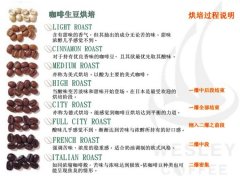
The difference between deep roasting and light roasting of coffee is closer to black with deeper roasting.
Deep roasting and light roasting is simple, coffee beans are called deep roasting after the second burst, and before the first explosion is dense to the second burst, it is called light roasting to medium-deep roasting, and the color is closer to black with the deeper the roasting. First of all, let's talk about deep roasting. When it comes to deep roasting, be sure to talk about the legendary figure of the coffee industry-Alfred Peet. Mr. Pitt devoted himself to promoting heavy baking in the 1960s
What are the effects of different roasting methods and degrees of roasting on the taste of coffee?
Coffee roasting time determines the taste, aroma, taste and acidity of coffee, so to learn more about coffee, you must first understand the effects of different roasting methods and roasting degrees on coffee taste. To put it simply, baking is to let the raw beans absorb the high temperature in the baking oven in constant rotation until they are ripe to the ideal level. During the roasting process, coffee beans
The caffeine of deep roasted beans is higher than that of shallow roasted beans.
The melting point of caffeine is as high as 237 degrees Celsius, so the roasted caffeine is almost completely retained and dissolved in the cup. People often mistakenly think that the caffeine of deep roasted beans is lower than that of shallow roasted beans, but the fact may be just the opposite. due to the high rate of dehydration and weight loss of deep roasted beans, it is necessary to brew coffee with more coffee beans, resulting in drinking more caffeine, so the caffeine of deep roasted beans is higher than that of shallow roasted beans.

Distinguish the degree of roasting coffee beans surface wrinkles how deep baking surface smooth shallow roasting concept cafe
After knowing the roasting principle of coffee beans, it is easy to distinguish the degree of roasting, which can be judged by the following: appearance: shallow baking-wrinkled surface, deep baking-smooth surface. Color: light baking-light color, deep baking-dark color. Taste: shallow baking-sweet and sour, deep baking-bitter fragrance. Preservation: shallow baking-slow oil production speed, deep baking-oil production speed